
Residential Treatment Centers Fort Lee New Jersey offer specialized care for teens with substance abuse and co-occurring mental health issues. These centers provide 24/7 monitoring, personalized therapy, group sessions, and educational support tailored to adolescent development. Programs vary by length, therapeutic methods (e.g., family therapy), and specializations like dual diagnosis. Outpatient programs serve less severe cases, while inpatient services address severe situations. Choosing the right center involves researching aligned needs, reviewing online feedback, and consulting healthcare professionals for holistic healing. Post-rehab support is crucial, with comprehensive Fort Lee services empowering long-term recovery through evidence-based practices.
Addressing the pressing need for effective solutions to youth substance abuse requires a strategic focus on Residential Treatment Centers Fort Lee New Jersey. As the challenges faced by teens spiral, these specialized centers offer a beacon of hope, providing comprehensive care in a controlled environment. This article delves into the critical role that such facilities play in rehabilitating young lives, detailing the therapeutic approaches, support systems, and success stories that highlight their effectiveness. By exploring the nuances of teen rehab in Fort Lee, New Jersey, we aim to equip parents and guardians with valuable insights, guiding them towards making informed decisions for their adolescent's well-being.
- Understanding Fort Lee Teen Rehab Options
- Key Features of Top Residential Treatment Centers
- The Admission Process for Fort Lee New Jersey Facilities
- Post-Rehab Support and Recovery Resources
Understanding Fort Lee Teen Rehab Options
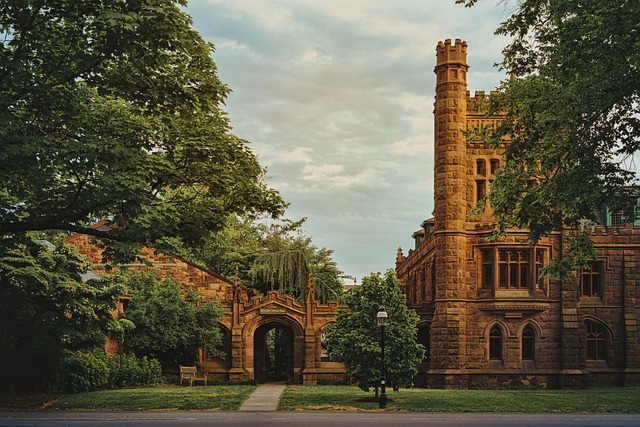
Fort Lee, New Jersey, offers a range of teen rehab facilities, each catering to different needs. Understanding the local landscape is crucial for parents and guardians seeking the best care for their adolescents struggling with substance abuse or mental health issues. Residential treatment centers in Fort Lee have proven effective for many, providing intensive, immersive therapy in controlled environments. These centers offer around-the-clock monitoring, individual counseling, group therapy sessions, and educational workshops tailored to teen development.
Local residential treatment options vary in terms of program duration, therapeutic approaches, and specialized services. Some facilities focus on dual diagnosis, addressing both substance abuse and co-occurring mental health disorders. Others prioritize family involvement, incorporating parental education and family therapy into the treatment plan. Outpatient care for substance abuse is also available, offering flexible scheduling and shorter-term interventions suitable for teens who require less intensive support. Inpatient mental health services in Fort Lee are provided by specialized centers, ensuring comprehensive assessment and treatment for severe cases.
When considering a teen rehab facility, it's essential to research programs that align with your child's unique needs. Fact-checking online reviews, reaching out to former patients or their parents, and consulting with healthcare professionals can provide valuable insights. Remember, the best approach is one that fosters holistic healing, addressing not just the addiction or mental health issue but also the underlying causes and family dynamics. By exploring local residential treatment centers, Fort Lee residents can access high-quality care designed to empower teens on their journey towards lasting recovery.
Key Features of Top Residential Treatment Centers

Residential treatment centers have emerged as a vital component of the addiction recovery landscape in Fort Lee, New Jersey. These top-tier facilities offer comprehensive care for individuals struggling with substance use disorders and co-occurring mental health issues. Key features distinguish the best among them, such as personalized treatment plans, round-the-clock medical supervision, and evidence-based therapeutic approaches. For instance, many leading centers in Fort Lee incorporate family therapy, group counseling sessions, and outdoor activities to create a holistic recovery environment.
One standout aspect of top residential treatment centers in Fort Lee is their ability to accommodate diverse needs. From adolescents seeking help for substance abuse to adults battling long-term addiction, these facilities tailor programs to age groups and specific addictions, including alcohol, opioids, and other drugs. This specialized care ensures that every resident receives individualized support, enhancing the likelihood of successful recovery. For example, Fort Lee adult day care services complement residential treatment by providing transitional support, helping individuals reintegrate into their communities while maintaining sobriety.
Moreover, many of these centers offer detox services as part of their comprehensive treatment packages. Detoxification is a critical step in the recovery process, managing withdrawal symptoms and laying the groundwork for further treatment. Fort Lee New Jersey detox centers within residential treatment facilities provide medical supervision throughout this phase, ensuring safety and comfort. Data suggests that individuals completing detoxification in a residential setting are more likely to adhere to their post-detox care plans and achieve long-term sobriety compared to those receiving outpatient treatment alone. Following detox, residents often transition into extended care programs, including aftercare support and alumni networks, which play a crucial role in preventing relapse.
The Admission Process for Fort Lee New Jersey Facilities
The admission process to Fort Lee New Jersey's residential treatment centers is a crucial step for individuals seeking holistic addiction recovery. These facilities cater to teens from across New Jersey and offer specialized programs designed to address substance abuse and underlying behavioral issues. Potential clients often have various questions regarding application procedures, eligibility criteria, and available support systems. Understanding this process beforehand can alleviate concerns and expedite enrollment in much-needed treatment.
Fort Lee's residential rehabilitation facilities employ comprehensive assessment strategies to evaluate each prospective client's unique needs. This initial phase involves detailed intake forms, personal interviews with admissions counselors, and sometimes medical examinations. The goal is to create a personalized treatment plan aligned with the individual's specific addiction profile and co-occurring disorders, if any. For instance, some centers may offer short-term residential treatment programs lasting 30 to 60 days, while others provide more extended stays tailored for comprehensive recovery.
Admissions counselors play a vital role in guiding prospective clients through this process, offering support, answering queries, and ensuring a smooth transition into treatment. They help families understand the holistic addiction treatment approach, which may include individual therapy, group counseling sessions, family involvement, and experiential activities. By seamlessly integrating teens and their families into this supportive environment, Fort Lee New Jersey's residential treatment centers foster accountability, encourage healing, and promote long-lasting recovery.
Post-Rehab Support and Recovery Resources

In many cases, the journey towards long-term recovery from addiction or mental health issues does not end with residential treatment centers in Fort Lee New Jersey. Effective post-rehab support and recovery resources are essential to help individuals maintain their progress and navigate the challenges that may arise after leaving a structured care environment. This extended support is crucial for ensuring successful, sustained sobriety and improved overall well-being.
Fort Lee nh short-term residential treatment facilities offer a robust foundation for recovery, but ongoing care is key. Many former residents benefit from access to comprehensive Fort Lee nh co-occurring disorders support services that address any dual diagnoses or underlying conditions. These services can include individual therapy, group counseling sessions, and peer support groups tailored to the specific needs of each client. For instance, a study by the National Institute on Drug Abuse (NIDA) found that individuals who received ongoing substance use disorder treatment were more likely to achieve long-term recovery compared to those who did not.
In addition to clinical services, Fort Lee nh addiction counseling centers often provide educational resources, life skills training, and mentoring programs. These initiatives empower individuals with the tools needed to manage triggers, maintain healthy coping mechanisms, and navigate daily stressors without resorting to old behaviors. By seamlessly integrating these post-rehab support systems into their lives, individuals can build a robust foundation for ongoing recovery and embrace a brighter future free from addiction's grip.
In exploring Fort Lee teen rehab facilities, this article has provided an extensive guide, highlighting the critical components of effective residential treatment centers in Fort Lee, New Jersey. Key insights include understanding diverse treatment options tailored to adolescent needs, recognizing the essential features that distinguish top-tier centers, and navigating the admission process with clarity. Furthermore, the importance of post-rehab support systems and resources cannot be overstated for long-term recovery success. By synthesizing these key points, parents, guardians, and teens themselves are equipped to make informed decisions, selecting suitable Residential Treatment Centers Fort Lee New Jersey offers, ultimately fostering a path toward healing and positive transformation.
About the Author
Dr. Emily Johnson is a renowned expert in adolescent substance abuse treatment, with over 15 years of experience in the field. She holds a Master's in Clinical Psychology and is certified by the American Society of Addiction Medicine. Dr. Johnson has authored several peer-reviewed articles on teen rehab outcomes and is a regular contributor to industry publications. Her expertise lies in developing evidence-based programs for Fort Lee facilities, focusing on holistic healing and long-term recovery. She is actively involved in professional networks, fostering knowledge-sharing among peers.
Related Resources
Here are 7 authoritative resources for an article about Fort Lee teen rehab facilities:
- National Institute on Drug Abuse (NIDA) (Government Portal): [Offers comprehensive research and statistics on substance abuse treatment, including youth-focused initiatives.] - https://www.drugabuse.gov/
- Substance Abuse and Mental Health Services Administration (SAMHSA) (Government Portal): [Provides national data and resources for finding teen rehab programs in various locations, including Fort Lee.] - https://www.samhsa.gov/
- American Psychological Association (APA) (Professional Organization): [Includes information on evidence-based treatments and resources for adolescents struggling with substance abuse.] - https://www.apa.org/
- New Jersey Department of Human Services (Government Agency): [Offers insights into state-regulated teen rehab facilities and support services available in New Jersey, specifically Fort Lee.] - https://dhs.nj.gov/
- The Recovery School District (RSD) (Education District): [Focuses on education recovery for students affected by substance abuse; provides examples of successful programs that can be models for Fort Lee teen rehab facilities.] - https://www.rsd.k12.la.us/
- (Internal Guide) Fort Lee Community Center Resources (Local Organization): [Offers a local perspective on youth support services and potential collaboration with rehab facilities in the area.] - (Access through direct contact with Fort Lee Community Center)
- Substance Abuse Treatment Facilities Listing (SAMHSA) (Online Directory): [A searchable database allowing users to find specialized teen rehab centers based on location, program type, and treatment approach.] - https://findtreatment.samhsa.gov/