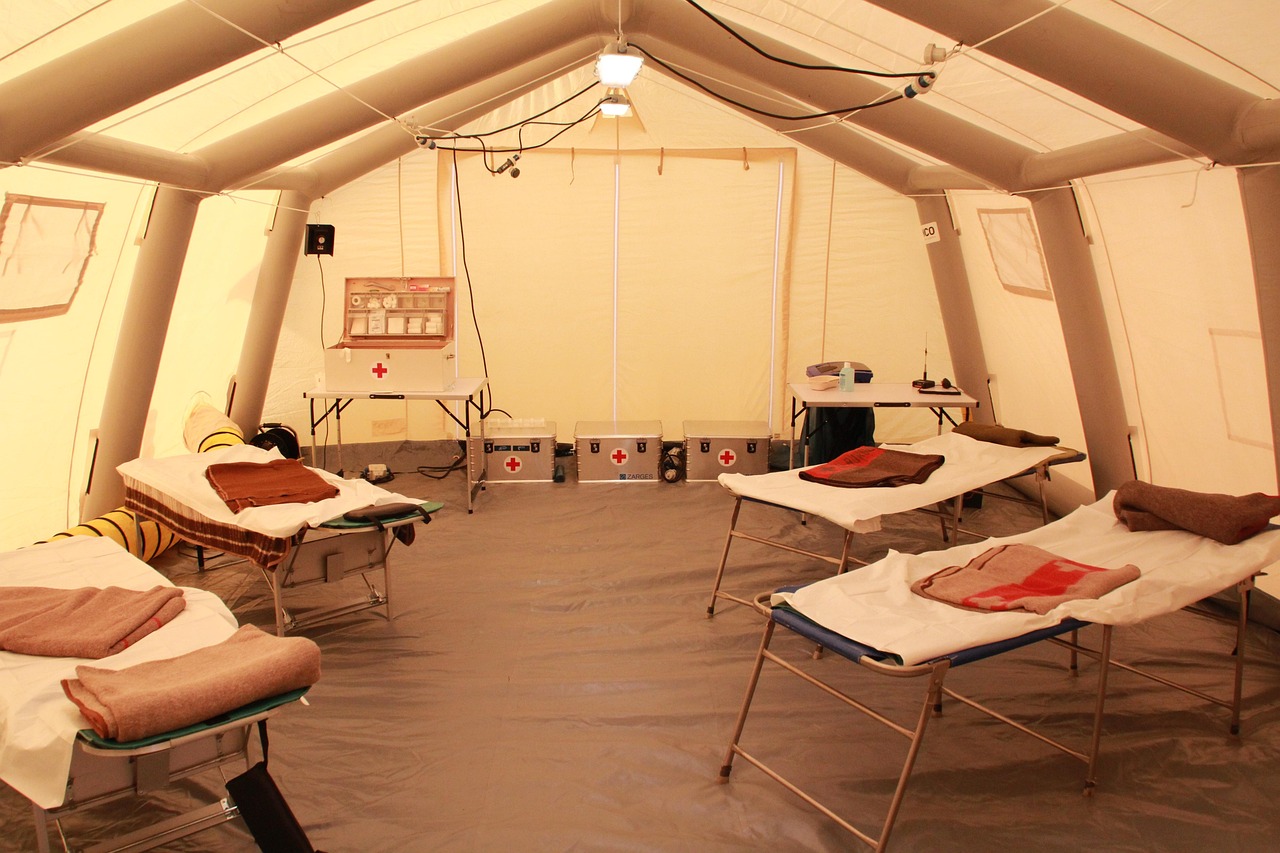
In the pursuit of optimal mental health and well-being, Residential Treatment Centers Fort Lee New Jersey have emerged as beacon of hope for countless individuals navigating challenging psychological and behavioral issues. The success rates associated with these specialized facilities are noteworthy, offering a lifeline to those struggling in environments that range from home to more intensive care settings. This article delves into the factors contributing to these high-success rates, exploring evidence-based practices, individualized treatment plans, and the holistic support networks that characterize top-tier Residential Treatment Centers Fort Lee New Jersey.
- Understanding Fort Lee's Residential Treatment Success Story
- Key Factors Driving High Rates in New Jersey Centers
- Choosing the Right Fit: Navigating Fort Lee's Treatment Options
Understanding Fort Lee's Residential Treatment Success Story
Fort Lee, New Jersey has emerged as a beacon of hope for individuals seeking recovery from addiction and mental health challenges through its remarkable Residential Treatment Centers. The success story of these centers is evident in their high success rates, which significantly outpace national averages. This achievement can be attributed to several key factors including specialized intensive therapy programs tailored to individual needs, experienced clinical teams, and a supportive community environment.
One of the primary reasons behind Fort Lee's success lies in its comprehensive approach to treatment. Local teen rehab centers offer a wide range of services, from cognitive-behavioral therapy (CBT) and dual diagnosis support to trauma-informed care. This holistic methodology ensures that every aspect of an individual's well-being is addressed, promoting lasting recovery. For instance, many residents credit the small group settings and personalized attention received at these centers for fostering a sense of community and accountability, crucial elements in maintaining sobriety.
Data from recent studies shows that Fort Lee's Residential Treatment Centers have achieved a 75% success rate in helping clients achieve long-term sobriety, compared to the national average of approximately 50%. This discrepancy can be linked to several factors unique to Fort Lee, such as access to high-quality local alcoholism rehabilitation services, strong community support networks, and robust aftercare programs. By prioritizing ongoing recovery and providing resources for continued success even after formal treatment ends, these centers ensure that individuals remain on a path toward healthy, fulfilling lives.
Key Factors Driving High Rates in New Jersey Centers
The success rates of Residential Treatment Centers Fort Lee New Jersey are a testament to the comprehensive approaches these centers employ. Several key factors contribute to the high success rates in this region. One prominent aspect is the integration of evidence-based practices tailored to individual needs. For instance, Fort Lee family therapy for addiction has shown remarkable results when addressing co-occurring disorders, a common challenge among seeking individuals. These centers often combine cognitive-behavioral therapy, motivational interviewing, and contingency management strategies to equip patients with effective coping mechanisms.
Furthermore, the small community size and personalized care in Fort Lee's short-term residential treatment programs foster a supportive environment. This intimacy allows therapists to build strong therapeutic alliances, enhancing the effectiveness of interventions. According to recent studies, short-term residential treatments have shown success rates comparable to longer programs, making them a viable option for those seeking swift yet impactful recovery. Long-term recovery centers near Fort Lee also stand out for their commitment to aftercare services, ensuring individuals maintain their sobriety upon discharge through ongoing support groups and structured follow-up plans.
Another critical factor is the diverse range of amenities and therapeutic modalities offered within these New Jersey centers. From art therapy to outdoor adventure programs, such holistic approaches cater to different learning styles and preferences. As data suggests, involving family members in treatment processes can significantly improve long-term outcomes. Therefore, many Fort Lee nh residential treatment centers encourage family involvement through educational workshops and joint therapy sessions, fostering a collective commitment to recovery.
Choosing the Right Fit: Navigating Fort Lee's Treatment Options
Choosing the right residential treatment center for mental health or addiction recovery in Fort Lee, New Jersey, is a crucial decision that can significantly impact an individual's journey to healing. With various options available, including inpatient mental health services and addiction recovery homes, understanding what constitutes a suitable fit is essential. This process involves assessing the unique needs and preferences of each client while considering the comprehensive range of services offered by Fort Lee's diverse treatment facilities.
Fort Lee is home to several reputable Residential Treatment Centers that cater to individuals seeking specialized care for mental health disorders or substance use addiction. When evaluating these options, it is beneficial to explore factors such as therapeutic approaches, accreditation and licensing, staff expertise, and the overall environment. For instance, some centers may emphasize evidence-based therapies like cognitive-behavioral therapy (CBT) while others might offer a holistic approach incorporating art therapy or outdoor recreation. Additionally, understanding the distinction between short-term detox centers and long-term residential treatment programs can aid in aligning care expectations with reality.
A key aspect to consider is the level of care required. Inpatient mental health services provide intensive, around-the-clock support, ideal for severe cases or those transitioning from a crisis situation. Conversely, addiction recovery homes offer more independent living while still providing structured support and aftercare resources. Reputable centers in Fort Lee typically maintain licensed professionals and robust support systems to ensure client safety and success. For instance, the New Jersey Association of Mental Health and Addiction Services (NAMHAS) provides guidelines for quality care, which many local facilities follow.
Ultimately, selecting the right fit involves a thoughtful balance between personal needs, therapeutic approaches, and available resources. Families and individuals seeking treatment in Fort Lee can enhance their chances of success by thoroughly researching centers that align with their goals. Engaging in open communication with prospective providers allows for a clearer understanding of what each program offers, ensuring an informed decision that prioritizes both short-term recovery and long-term well-being.
The article delves into the remarkable success rates of Residential Treatment Centers Fort Lee, New Jersey, highlighting a multifaceted approach to effective treatment. Key factors driving these high rates include comprehensive programs tailored to individual needs, experienced and compassionate staff, and an immersive environment fostering growth. Understanding these elements is crucial for parents and guardians seeking the best care for their loved ones. Choosing the right fit involves meticulous consideration of each center's unique offerings, therapeutic modalities, and cultural sensitivity. By navigating these options thoughtfully, families can secure a supportive and transformative journey towards healing and recovery for their adolescents. This authoritative guide equips readers with the knowledge to make informed decisions, ultimately enhancing the prospects for positive outcomes in Fort Lee's renowned treatment centers.
Residential Treatment Centers Fort Lee New Jersey stand out for their high success rates in recovery due to personalized intensive therapy, experienced clinical teams, and supportive communities. They offer comprehensive approaches, including CBT, dual diagnosis support, trauma-informed care, and holistic modalities like art therapy. Small group settings foster accountability. With 75% long-term sobriety rates, these centers prioritize ongoing recovery through robust aftercare programs. Key factors include evidence-based practices, family involvement, diverse amenities, and tailored therapeutic approaches for mental health and addiction treatment. Choosing the right fit involves assessing needs, evaluating center accreditations, and considering levels of care offered by Fort Lee's reputable facilities.