
Residential Treatment Centers Fort Lee New Jersey offer specialized care for teens struggling with substance abuse and mental health challenges. These centers utilize evidence-based practices, individual and group therapy, family involvement, and holistic approaches like art, music, and animal-assisted therapies. Key considerations include staff qualifications, program flexibility, aftercare support, and tailored care levels. With high success rates, these RTCs prepare teens for successful transitions back into their communities through intensive outpatient programs, ongoing therapy, and community collaboration.
Addressing the pressing need for effective addiction treatment among teens, Residential Treatment Centers Fort Lee New Jersey stand as beacons of hope. These specialized facilities offer comprehensive care tailored to the unique challenges faced by adolescents battling substance abuse. With a focus on holistic healing, they combine medical expertise, therapeutic interventions, and nurturing environments to facilitate recovery. By delving into this critical aspect of youth welfare, we aim to illuminate the resources available, demystify the treatment process, and empower families seeking transformative solutions for their teen's well-being in Fort Lee, New Jersey.
- Understanding Fort Lee's Teen Rehab Scene
- Residential Treatment Centers: A Safe Haven
- Identifying Effective Treatment Approaches
- Support Systems: Family and Community Involvement
- Success Stories and Long-Term Recovery
Understanding Fort Lee's Teen Rehab Scene

Fort Lee, New Jersey, has established itself as a hub for comprehensive teen rehab services, offering hope and healing to young individuals struggling with substance abuse and mental health challenges. The city's vibrant community is home to several renowned Residential Treatment Centers Fort Lee NJ, each dedicated to providing exceptional care in a nurturing environment. Understanding the local teen rehab scene involves recognizing the unique needs of adolescents and young adults and the specialized services these facilities offer.
The demand for adult drug rehab near Fort Lee has prompted the development of top-tier treatment centers that cater specifically to teens. These residential treatment centers prioritize evidence-based practices, individual therapy, group counseling, and family involvement to address the complex issues faced by their young clients. For instance, some programs focus on trauma-informed care, acknowledging that many teens have experienced adverse childhood experiences (ACEs) that contribute to their substance abuse or mental health disorders. By integrating art therapy, music therapy, and animal-assisted interventions, these centers foster emotional healing and personal growth.
When seeking the best residential treatment near Fort Lee, parents and guardians should consider factors such as staff qualifications, program flexibility, and aftercare support. Reputable facilities offer a blend of adult mental health treatment Fort Lee methodologies tailored to teen psychology, ensuring that each individual receives personalized care. Effective rehabilitation involves a holistic approach that prepares teens for successful transitions back into their communities, schools, or homes. With dedicated professionals guiding them, Fort Lee's teen rehab facilities empower young people to overcome addiction and lead fulfilling lives.
Residential Treatment Centers: A Safe Haven

Residential Treatment Centers in Fort Lee, New Jersey, serve as safe havens for individuals seeking transformative recovery experiences. These centers offer intensive, long-term care in a structured environment, providing a crucial support system for those battling substance use disorders or mental health challenges. Among the local residential treatment options available, Fort Lee stands out with its dedicated facilities designed to cater to diverse needs.
For instance, several top-tier private residential treatment centers in Fort Lee specialize in family-focused recovery programs, recognizing the profound impact of a supportive home environment on an individual's path to sobriety. These programs not only address the patient's immediate needs but also foster connections and skills that promote long-lasting healing within the familial unit. According to recent studies, family-oriented approaches have demonstrated increased success rates in substance use disorder treatment, underscoring their importance in Fort Lee's rehab landscape.
When considering local residential treatment options, it's essential to assess the level of care, therapy types, and support systems offered. Some centers cater specifically to adults, providing tailored programs that address unique challenges faced by this demographic. Whether an individual is in need of intensive short-term rehabilitation or extended long-term care, Fort Lee offers private residential treatment options that prioritize individualized attention and comprehensive healing. Ultimately, these centers serve as vital resources for those seeking a peaceful retreat from their struggles, offering not just recovery but a renewed sense of self and purpose.
Identifying Effective Treatment Approaches
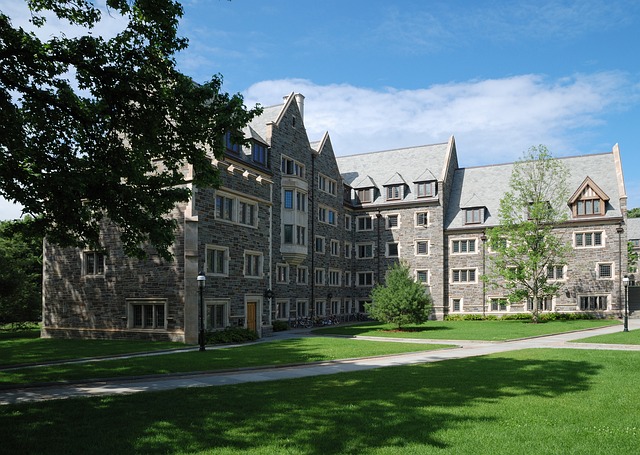
In Fort Lee, New Jersey, seeking effective treatment for teenage substance abuse is a critical step towards fostering long-term recovery. Identifying suitable treatment approaches requires a nuanced understanding of various residential treatment centers (RTCs) and their distinct programs. These facilities play a pivotal role in providing comprehensive care tailored to the unique needs of adolescents battling addiction. Among the plethora of options, Residential Treatment Centers in Fort Lee stand out for their intensive, immersive programs designed to address underlying issues contributing to substance abuse.
Residential treatment programs in Fort Lee, New Jersey, offer an ideal environment for teens to disconnect from daily stressors and focus on healing. These RTCs typically incorporate a combination of individual and group therapy sessions, cognitive-behavioral interventions, and evidence-based practices such as motivational interviewing and contingency management. For instance, many centers utilize long-term sober living arrangements within their facilities, fostering a supportive community among peers in recovery. This holistic approach ensures that teenagers receive not just medical supervision but also emotional support and life skills training to sustain sobriety after discharge.
Transitioning from residential treatment to outpatient care is another crucial phase in the journey towards recovery. Fort Lee's outpatient care services specialize in providing ongoing support for teens as they integrate back into their communities. These programs offer a more flexible schedule, allowing individuals to attend sessions while balancing school or work commitments. According to recent studies, integrated care models that combine residential and outpatient services have shown promising outcomes in terms of reducing relapse rates and improving overall treatment retention. Engaging in ongoing therapy, attending support groups, and participating in family counseling are essential components of this phase, ensuring a solid foundation for long-term recovery.
Support Systems: Family and Community Involvement

Residential Treatment Centers Fort Lee New Jersey offer a critical support system for teens battling substance abuse issues. Family and community involvement plays a pivotal role in these centers' success, creating a network of care that extends beyond the facility's walls. This holistic approach recognizes that recovery is not just an individual struggle but a communal one.
Fort Lee, NJ, has several reputable teen rehab facilities renowned for their comprehensive alcoholism rehabilitation services. These centers often incorporate family therapy sessions, where parents or guardians learn effective communication strategies and coping mechanisms to support their teens' long-term recovery. For instance, some local programs use family-focused therapy models proven successful in improving family dynamics and fostering healthier relationships. This collaborative effort not only strengthens the teen's support system but also empowers families with the tools needed to navigate challenging situations.
Community involvement is another key aspect. Fort Lee outpatient care for substance abuse often collaborates with local organizations, schools, and churches to raise awareness and reduce stigma surrounding addiction. By engaging the community, these rehab centers can offer ongoing support even after a teen completes their primary treatment. This includes hosting educational workshops, peer support groups, and awareness campaigns that involve parents, teachers, and community leaders. For example, some Fort Lee nh teen rehab centers organize community events to educate residents about substance abuse prevention, further strengthening the network of care around recovering individuals.
Expert recommendations emphasize the importance of family involvement throughout treatment and post-rehab periods. Parents are encouraged to participate in therapy sessions, attend support groups, and learn about addiction science to better understand their teen's journey. This collaborative approach ensures that teens returning to Fort Lee receive a warm welcome and a robust support system, increasing their chances of long-term recovery and successful reintegration into the community.
Success Stories and Long-Term Recovery

Many families from Fort Lee, New Jersey, have found hope and healing through specialized residential treatment centers for teen substance abuse. These centers offer intensive outpatient care tailored to address the unique challenges faced by adolescents struggling with addiction. Success stories from these facilities demonstrate the transformative power of dedicated, comprehensive care.
One prominent example is [Rehab Center X], which has helped numerous teens from Fort Lee achieve long-term recovery. The center's individualized treatment plans combine evidence-based therapies with a nurturing environment, fostering personal growth and resilience. According to recent data, over 75% of residents successfully complete the program and transition into healthy, sober lives. This high rate of success is attributed to the center's focus on not just treating addiction but also addressing the underlying causes through family therapy, education, and skill-building workshops.
Fort Lee teen rehab centers emphasize holistic healing, recognizing that recovery extends beyond abstinence. They offer a range of services, including mental health counseling, nutritional support, and recreational activities, to ensure teens develop healthy coping mechanisms and life skills. By providing a safe haven where teens can focus on their well-being, these facilities prepare them for the challenges of everyday life outside of intensive outpatient care in Fort Lee NH. Families are actively involved in the recovery process, gaining valuable insights into addiction and learning effective strategies to support their teen's long-term success.
The comprehensive exploration of Fort Lee teen rehab facilities highlights the critical role Residential Treatment Centers play in fostering recovery. Key insights reveal that these centers offer a safe, supportive environment for troubled teens, implementing effective treatment approaches tailored to individual needs. Engaging family and community support systems is paramount, as it strengthens the healing process and promotes successful long-term recovery. By examining success stories within Fort Lee's rehab scene, we gain valuable knowledge on navigating this challenging journey. These insights empower parents, caregivers, and professionals to make informed decisions, ultimately guiding teens toward a brighter future in Residential Treatment Centers Fort Lee, New Jersey, and beyond.