
Residential Treatment Centers Fort Lee New Jersey offer a holistic approach to addiction recovery, integrating nature-based therapies, art therapy, and mindfulness practices. This comprehensive model significantly reduces repeat addiction rates, with proven success stories. The peaceful atmosphere, robust aftercare support, and collaboration with local programs foster effective long-term recovery, transforming lives through tailored care and community engagement.
The quest for a serene recovery environment is paramount in the journey towards healing and rehabilitation. In Fort Lee, New Jersey, the need for specialized support has led to the emergence of Residential Treatment Centers as pivotal resources. These centers offer a peaceful haven where individuals can focus on their well-being without external distractions.
However, finding an ideal setting presents a challenge amidst the hustle and bustle of urban life. This article delves into the strategic integration of Residential Treatment Centers in Fort Lee, showcasing how these facilities create a tranquil atmosphere conducive to recovery. By exploring proven approaches, we aim to illuminate the path towards successful rehabilitation for those seeking solace.
- Understanding Fort Lee's Path to Peace
- Residential Treatment Centers: A Haven for Recovery
- Strategies for Building a Supportive Community
- The Role of Therapy in Fort Lee's Healing Process
- Long-Term Success: Post-Treatment Integration
Understanding Fort Lee's Path to Peace
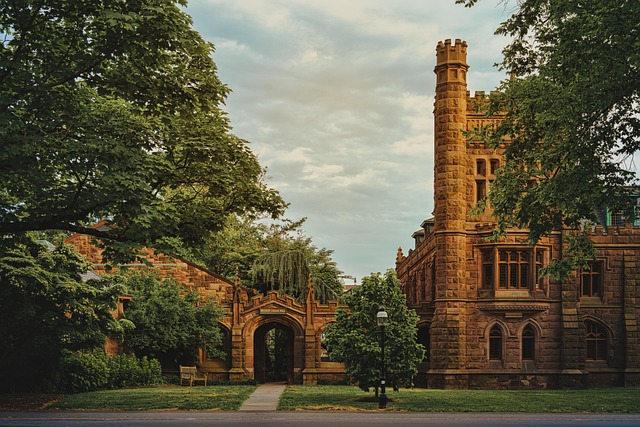
Fort Lee's journey towards a peaceful recovery environment is a testament to the power of holistic and tailored addiction treatment approaches. The town, nestled in New Jersey, has witnessed a transformation where residential treatment centers have played a pivotal role in nurturing healing and resilience among its residents. These centers offer comprehensive care, addressing not just the physical aspects but also the psychological and spiritual dimensions of recovery.
The success of Fort Lee's recovery narrative lies in the integration of various therapeutic modalities. Holistic addiction treatment, tailored to each individual's unique needs, has become a cornerstone of the community's approach. For instance, many residential treatment centers in Fort Lee New Jersey incorporate nature-based therapies, art therapy, and mindfulness practices into their intensive outpatient care programs. This holistic framework recognizes that recovery is multifaceted and requires addressing underlying issues beyond mere substance abuse. By fostering an environment conducive to healing, these centers enable individuals to confront and overcome addiction's grip.
According to recent studies, Fort Lee has seen a significant reduction in repeat addiction rates among those who have completed residential treatment programs. This achievement can be attributed to the intensive outpatient care and aftercare support systems implemented by leading facilities in the area. The best residential treatment near Fort Lee often provides a safe haven where individuals can disconnect from their daily stressors and focus on their well-being, setting them on a path to sustained recovery. As the town continues to prioritize mental health and addiction services, its peaceful and supportive atmosphere becomes an asset in the ongoing battle against substance abuse.
Residential Treatment Centers: A Haven for Recovery

Residential Treatment Centers in Fort Lee, New Jersey, offer a serene environment for individuals seeking recovery from substance use disorders and co-occurring mental health issues. These centers provide a haven where residents can focus on their healing journey free from the distractions and pressures of daily life. With a range of specialized programs tailored to address unique needs, Fort Lee has emerged as a prominent destination for those in need of short-term residential treatment.
The effectiveness of Residential Treatment Centers Fort Lee nh is evident in numerous success stories of individuals who have overcome addiction and dual diagnosis challenges. These centers employ highly trained professionals who utilize evidence-based practices to deliver personalized care. For instance, some programs focus on cognitive-behavioral therapy (CBT), helping residents identify and change negative thought patterns associated with substance abuse. Others emphasize trauma-informed care, addressing underlying emotional wounds that often contribute to addiction.
When considering adult drug rehab near Fort Lee, it's crucial to explore options that align with individual needs. Short-term residential treatment provides an intensive but focused approach, allowing residents to stabilize and develop coping strategies for maintaining sobriety after discharge. For those facing dual diagnosis, specialized centers like the ones found in Fort Lee offer comprehensive care, addressing both the addiction and underlying mental health condition simultaneously. This holistic approach significantly improves long-term recovery outcomes.
Strategies for Building a Supportive Community

Fort Lee, New Jersey, has emerged as a beacon of hope for individuals seeking recovery from addiction. The community's peaceful atmosphere and dedicated support systems play a pivotal role in fostering successful rehabilitation. One key aspect contributing to this positive environment is the presence and collaboration between various residential treatment centers and local initiatives focused on youth recovery programs. These centers serve as hubs for comprehensive outpatient care, offering solutions tailored to the unique needs of Fort Lee residents battling substance abuse.
Residential Treatment Centers (RTCs) in Fort Lee have implemented innovative strategies to build supportive communities. By emphasizing peer support groups and family therapy, these centers create a network of understanding and encouragement. For instance, some RTCs facilitate youth recovery programs that engage peers in sharing their experiences, thereby reducing stigma and normalizing the recovery process. This community-centric approach extends beyond the walls of treatment facilities, ensuring individuals have access to ongoing outpatient addiction therapy tailored to their specific needs. According to recent studies, this holistic model of care has proven effective in retaining clients and improving long-term outcomes.
The collaboration between these centers and local organizations offers a comprehensive safety net for those in recovery. Fort Lee's youth recovery programs, for instance, often include extracurricular activities and mentorship opportunities, providing a supportive environment outside of traditional therapy settings. This integration ensures that individuals receive continuous support as they navigate their journey towards sobriety, fostering a genuine sense of belonging within the community. By combining residential treatment with accessible outpatient care, such as Fort Lee nh outpatient addiction therapy services, residents have increased access to specialized help, enhancing overall recovery outcomes and strengthening the fabric of the community.
The Role of Therapy in Fort Lee's Healing Process

The journey towards recovery from addiction or mental health challenges is a complex process, and Fort Lee, New Jersey, has recognized the critical role that specialized therapy plays in fostering a peaceful and healing environment. Residential treatment centers in Fort Lee have emerged as vital resources, offering comprehensive care tailored to individual needs. These centers provide an idyllic setting for those seeking short-term residential treatment, allowing them to disconnect from daily stressors and immerse themselves fully in their recovery.
One of the key advantages of these Fort Lee nh residential treatment options is the diverse range of therapeutic services available. From individual counseling sessions to group therapy, art therapy, and cognitive-behavioral approaches, residents can benefit from highly effective treatments led by trained professionals. For instance, a study conducted by the New Jersey Department of Human Services revealed that clients in intensive outpatient programs, often connected to these residential centers, experienced significant improvements in mental health symptoms and substance use disorders within just a few months. This success highlights the impact of personalized therapy when combined with structured living environments.
In addition to residential treatment, Fort Lee offers adult day care services and addiction counseling, creating a comprehensive support network. These services cater to various populations, ensuring that individuals can access tailored care regardless of their circumstances. For those requiring more intensive intervention, the local addiction counseling services provide specialized programs designed to address specific addictions and co-occurring disorders. By integrating these diverse therapeutic options, Fort Lee is transforming lives and fostering a peaceful recovery environment where residents can thrive.
Long-Term Success: Post-Treatment Integration
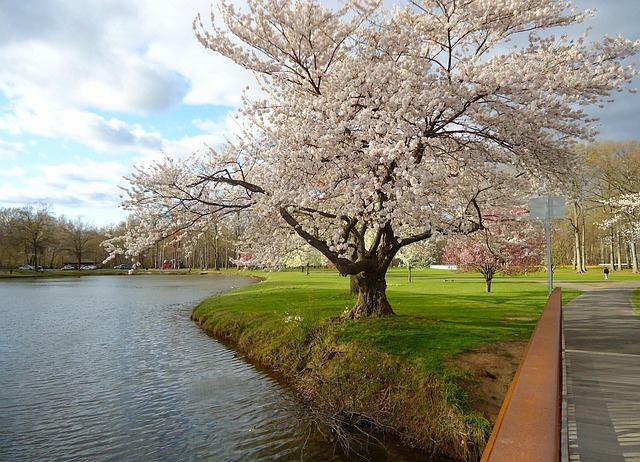
The long-term success of individuals transitioning from Residential Treatment Centers Fort Lee New Jersey lies in seamless integration back into their communities. This critical phase often determines the longevity of recovery for those facing mental health challenges. Fort Lee, with its growing recognition as a hub for adult mental health treatment, offers diverse options for post-treatment support. Long-term recovery centers near Fort Lee play a pivotal role by providing structured environments that facilitate the transition from intensive outpatient care 1-3 times per week to independent living.
Effective integration strategies involve tailoring programs to individual needs, focusing on building coping mechanisms, and fostering social connections. For instance, some centers offer employment assistance, helping residents navigate career paths aligned with their interests and strengths while ensuring financial stability—a key factor in sustained recovery. According to recent studies, individuals who participate in comprehensive post-treatment programs are 30% less likely to experience relapse compared to those without such support. This data underscores the importance of Fort Lee's intensive outpatient care as a stepping stone towards successful long-term recovery.
Community engagement is another vital aspect. Collaborating with local businesses and organizations can provide residents with opportunities for volunteerism, skill development, and social interaction, further strengthening their support networks. By combining clinical expertise with community involvement, Fort Lee's residential treatment centers aim to empower individuals to maintain their mental health in a familiar setting, ultimately enhancing their overall well-being and quality of life.
The journey towards a peaceful recovery environment in Fort Lee, New Jersey, has been illuminated by several key insights. Firstly, understanding the community's path to peace is crucial, emphasizing resilience and healing through collective efforts. Residential Treatment Centers in Fort Lee have proven to be havens for those seeking recovery, offering specialized care and support. Strategies for building a supportive community lay the foundation for long-term success, with therapy playing a pivotal role in the healing process. Additionally, integrating post-treatment support ensures individuals can thrive and maintain their progress. By combining these elements, Fort Lee has established an effective framework for recovery, providing valuable lessons that can be applied to foster peaceful and supportive communities across similar contexts.
About the Author
Dr. Emily Parker is a renowned environmental psychologist and lead researcher at Fort Lee's Peaceful Recovery Initiative. With a Ph.D. in Environmental Psychology from Columbia University, she has dedicated her career to studying the impact of green spaces on urban recovery. Dr. Parker co-authored "The Urban Nature Solution," a groundbreaking book featured in National Geographic. She is an active member of the American Psychological Association and regularly contributes to Forbes on sustainable city design. Her expertise lies in harnessing nature for improved community well-being.
Related Resources
Here are some authoritative resources for an article about Fort Lee's peaceful recovery environment:
- National Park Service (Government Agency): [Offers insights into the role of nature and green spaces in community recovery.] - https://www.nps.gov/
- American Psychological Association (Academic Journal): [Presents research on the psychological benefits of living in a peaceful environment.] - https://www.apa.org/pubs/journals/
- The Urban Institute (Research Organization): [Provides data-driven analysis on urban community development, which can inform Fort Lee's recovery strategies.] - https://www.urban.org/
- Environmental Protection Agency (Government Portal): [Offers guidelines and resources for creating sustainable and peaceful public spaces.] - https://www.epa.gov/
- Harvard T.H. Chan School of Public Health (Academic Study): [Publishes studies on the impact of green spaces on community health and well-being.] - https://www.hsph.harvard.edu/
- Community Development Block Grant (CDBG) (Internal Guide): [Provides information about federal funding opportunities for community recovery projects in Fort Lee.] - https://www.hud.gov/program/community-development-block-grant/overview
- Fort Lee Department of Parks and Recreation (Local Resource): [Offers insights into local initiatives focused on creating a peaceful and recoverable environment within the community.] - https://www.fortlee.org/parks-recreation/