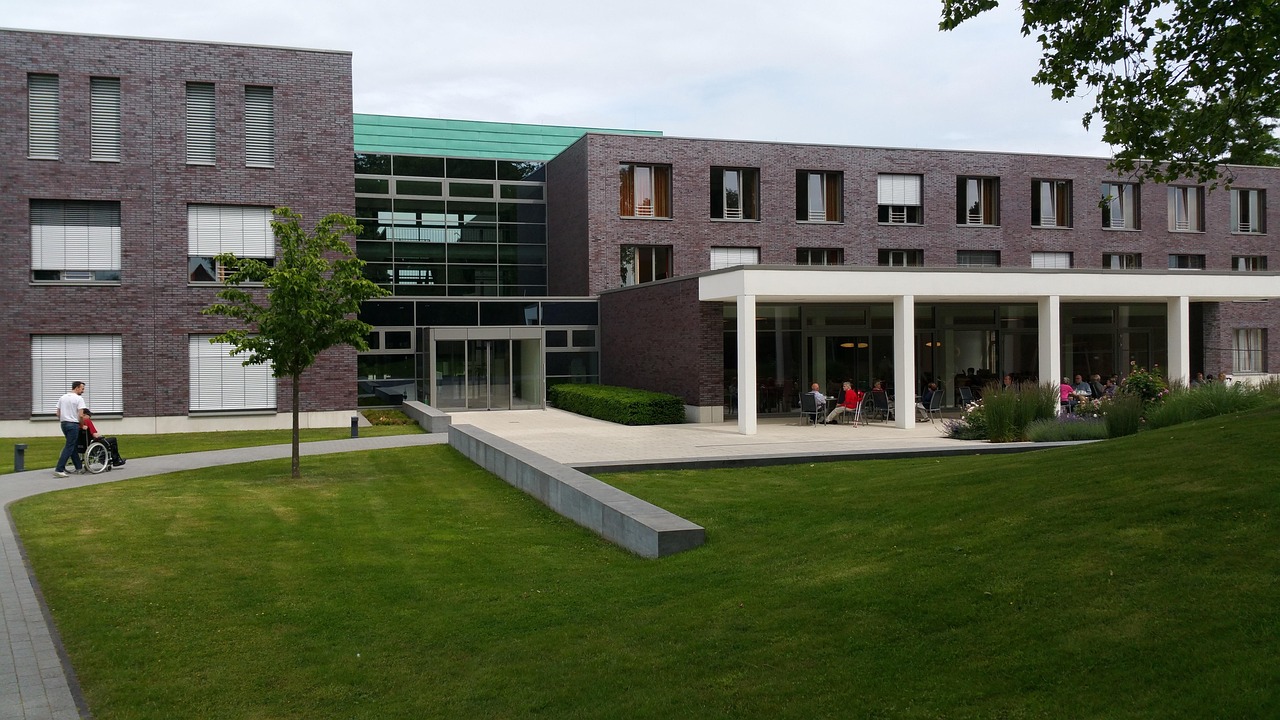
Long-term recovery from addiction is a complex journey, often requiring specialized support beyond traditional treatments. In Fort Lee, New Jersey, navigating this path can be challenging, given the diverse nature of substance use disorders and the need for sustained care. This article delves into the critical role that Residential Treatment Centers Fort Lee play in facilitating effective long-term recovery solutions. We explore how these centers offer immersive, individualized programs combining therapy, support groups, and life skills training to address the physical, emotional, and social aspects of healing.
- Unlocking Long-Term Recovery: A Journey to Resilience
- Residential Treatment Centers Fort Lee New Jersey: Transforming Lives
- Building Sustainable Sobriety: Post-Rehab Support Strategies
Unlocking Long-Term Recovery: A Journey to Resilience
Long-term recovery from substance abuse and addiction is a challenging yet rewarding journey, and Fort Lee, New Jersey, offers a range of specialized solutions to support individuals and families navigating this path. At the heart of this supportive network are residential treatment centers that provide immersive and intensive care, proven to be highly effective in fostering long-term resilience. These centers go beyond traditional rehab models, offering a holistic approach that addresses not just the addiction, but also the underlying causes and individual needs.
Residential Treatment Centers Fort Lee New Jersey are designed to create a safe and structured environment, free from the triggers and temptations of everyday life. By immersing individuals in a supportive community, these centers facilitate a deeper level of healing and personal growth. The process often begins with medical detox to ensure safety and stability, followed by individualized therapy sessions, group support, and educational workshops. Fort Lee nh teen substance abuse programs, for instance, may incorporate outdoor activities and creative expressions as therapeutic tools, helping young people process their experiences and develop healthy coping mechanisms. Family therapy for addiction, another vital service, equips families with the skills to support their loved ones' recovery and fosters a nurturing home environment.
Outpatient addiction therapy Fort Lee nh is another key component, providing ongoing support and accountability after residential treatment. This step ensures that individuals can maintain their gains, learn to manage cravings, and develop a strong support system in their local community. Data suggests that combined residential and outpatient programs significantly improve long-term recovery rates, as they address both the intensity of residential care and the practical considerations of daily life. By unlocking these various resources, Fort Lee residents and visitors can embark on a journey to resilience, transforming lives and breaking down the barriers to lasting recovery.
Residential Treatment Centers Fort Lee New Jersey: Transforming Lives
Fort Lee, New Jersey, has emerged as a beacon of hope for those seeking long-term recovery solutions. At the heart of this transformation are residential treatment centers that offer comprehensive care tailored to individual needs. These centers serve as nurturing environments where individuals struggling with addiction or mental health issues can heal and regain control of their lives. Unlike traditional outpatient care or brief stays in rehab facilities, residential treatment provides a prolonged period of intensive therapy, support, and structured activities designed to address the root causes of addiction and promote lasting recovery.
One notable aspect of Fort Lee's approach to long-term recovery is the integration of family therapy. Recognizing that familial dynamics play a significant role in an individual's journey towards sobriety, many centers offer programs that involve the entire family. This collaborative effort not only strengthens support systems but also educates family members on how to best assist their loved ones in maintaining long-term recovery. For instance, studies have shown that children of parents who participate in family therapy are less likely to develop substance abuse issues themselves. By addressing these intergenerational patterns, Fort Lee's residential treatment centers are transforming not only individual lives but also fostering healthier communities.
In addition to intensive therapy and family involvement, these centers prioritize outpatient care as a crucial component of the recovery process. Outpatient services provide ongoing support and monitoring after an individual completes their residential program, ensuring a smooth transition back into daily life. This holistic approach combines structured treatment with flexible outpatient care, enhancing the chances of successful long-term recovery for all residents. As the demand for effective addiction treatment continues to grow in Fort Lee and its surrounding areas, these comprehensive solutions stand as a testament to the community's commitment to healing and resilience.
Building Sustainable Sobriety: Post-Rehab Support Strategies
Long-term recovery from substance use disorders or co-occurring mental health challenges is a complex journey, often requiring more than just initial rehab. Residential Treatment Centers Fort Lee, New Jersey, offer an essential step in this process, providing intensive care and structured environments to help individuals establish sobriety. However, true sustainability comes from comprehensive post-rehab support strategies. This includes integrating individuals back into their communities while ensuring access to ongoing care, education, and social networks that promote long-term wellness.
Fort Lee, New Jersey, is fortunate to have a range of resources for adult mental health treatment and teen mental health facilities addressing co-occurring disorders. These programs often include aftercare planning as a core component, recognizing that leaving rehab without proper support increases the risk of relapse. Effective post-rehab support may involve peer groups, family therapy sessions, individual counseling, and lifestyle interventions tailored to address specific triggers and challenges. For instance, a study by the National Institute on Drug Abuse found that individuals participating in structured aftercare programs had significantly lower rates of relapse compared to those without such support.
Building sustainable sobriety requires a holistic approach that addresses not only the physical aspects of recovery but also the psychological and social dimensions. Residential Treatment Centers Fort Lee can facilitate this by fostering connections with local support groups, like Alcoholics Anonymous or Narcotics Anonymous, ensuring clients have access to ongoing peer support. Additionally, collaborating with local healthcare providers and community mental health centers ensures continuity of care, enabling individuals to seamlessly transition from intensive treatment back into their daily lives, armed with the tools and resources necessary to maintain long-term recovery.
Long-term recovery from addiction is a multifaceted journey, and Residential Treatment Centers Fort Lee New Jersey offer a transformative path to resilience. By combining comprehensive care, individualized support, and robust post-rehab strategies, these centers equip individuals with the tools needed to sustain sobriety. Key insights include the importance of residential treatment in fostering deep healing and building strong foundations for long-term success. Additionally, recognizing that recovery is an ongoing process, implementing post-rehab support systems becomes vital, ensuring individuals remain on track and thrive in their new, sober lives. This comprehensive approach, centered around Residential Treatment Centers Fort Lee New Jersey, provides a powerful framework for lasting change.
Residential Treatment Centers Fort Lee New Jersey offer intensive, holistic care for long-term substance abuse and mental health recovery. Combining medical detox, individualized therapy, group support, and family involvement, these centers create nurturing environments for healing. Outpatient care and post-rehab support, including aftercare planning and peer groups, enhance sustainability. Collaboration with local healthcare providers ensures seamless transitions and access to ongoing resources, promoting successful, lasting recovery.